Motif guide
Collecting Warhol’s Campbell’s Soup Editions
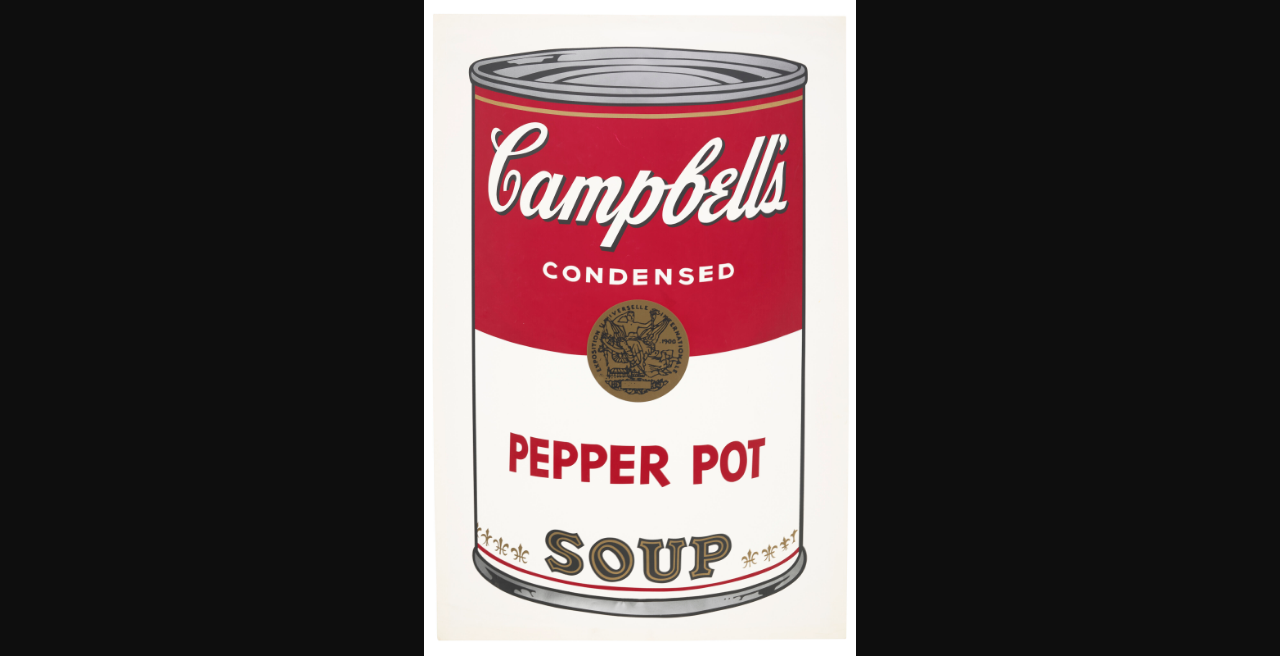
Campbell’s Soup cans are Warhol’s most democratic icons — supermarket design turned into fine-art screenprints that still structure Pop collecting. Whether you want a single Pepper Pot or a multi-flavor wall, understanding Soup I versus Soup II, condition, and catalogue references will save you money and regret.
Soup I and Soup II in plain language
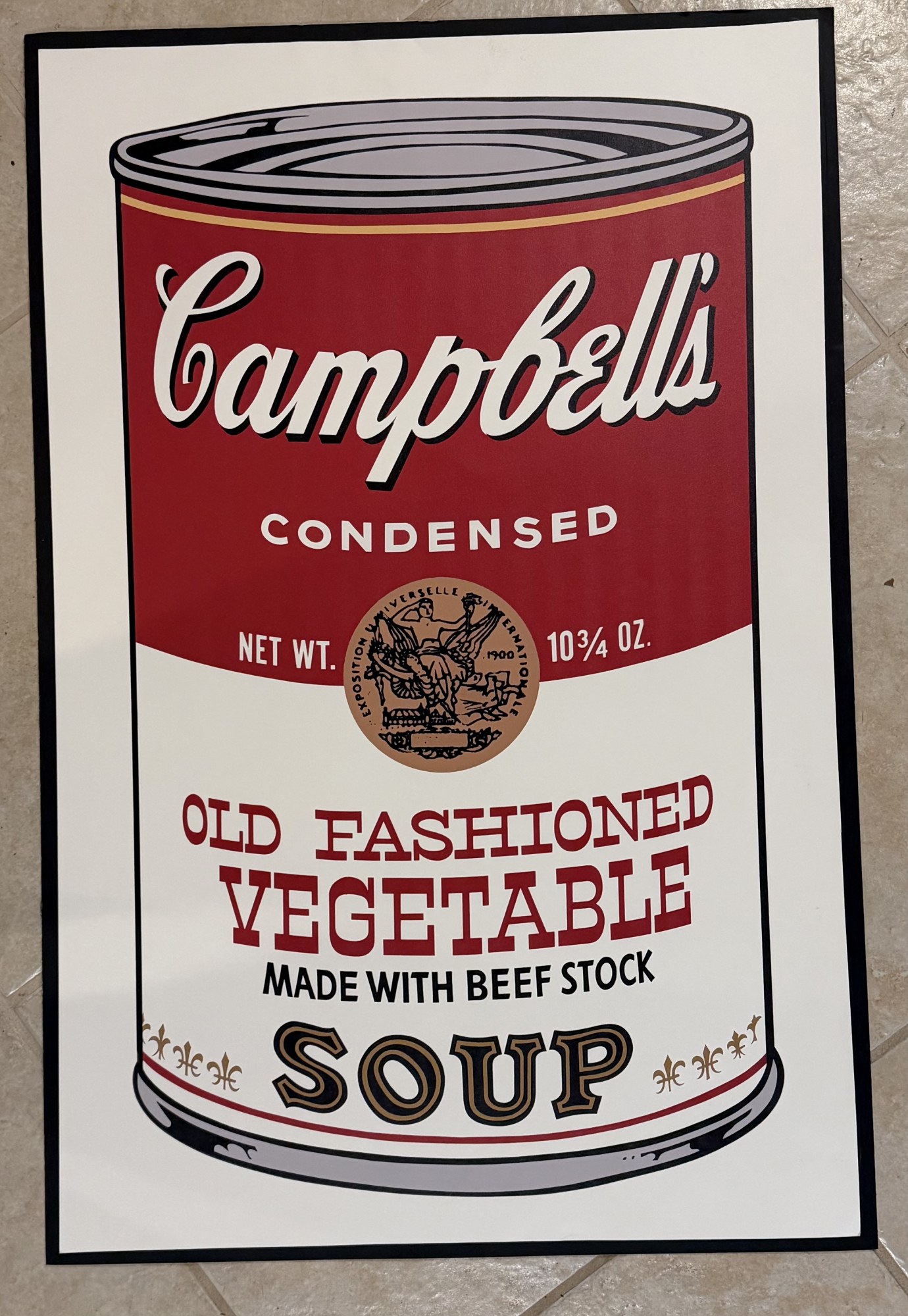
Campbell’s Soup I (1968) and Campbell’s Soup II (1969) are related but distinct portfolios of screenprinted cans. Flavor titles (Pepper Pot, Black Bean, Hot Dog Bean, Old Fashioned Vegetable, and others) identify individual plates. Dimensions are familiar to specialists: image and sheet sizes cluster around the classic Soup format collectors recognize instantly in auction previews.
Feldman & Schellmann numbers keep titles aligned across languages and decades of resale. When a listing cites F. & S. and states edition size, you can research comps efficiently. ShopPop Art follows that discipline on soup listings and keeps specific impression numbers out of public marketing copy.
What we currently offer
Available soup-related works include Pepper Pot, Campbell’s Soup I and Old Fashioned Vegetable, Campbell’s Soup II. Previously offered plates such as Black Bean (Soup I) and Hot Dog Bean (Soup II) may appear as sold on the site — useful as market context even when not purchasable. Always check status badges before inquiring.
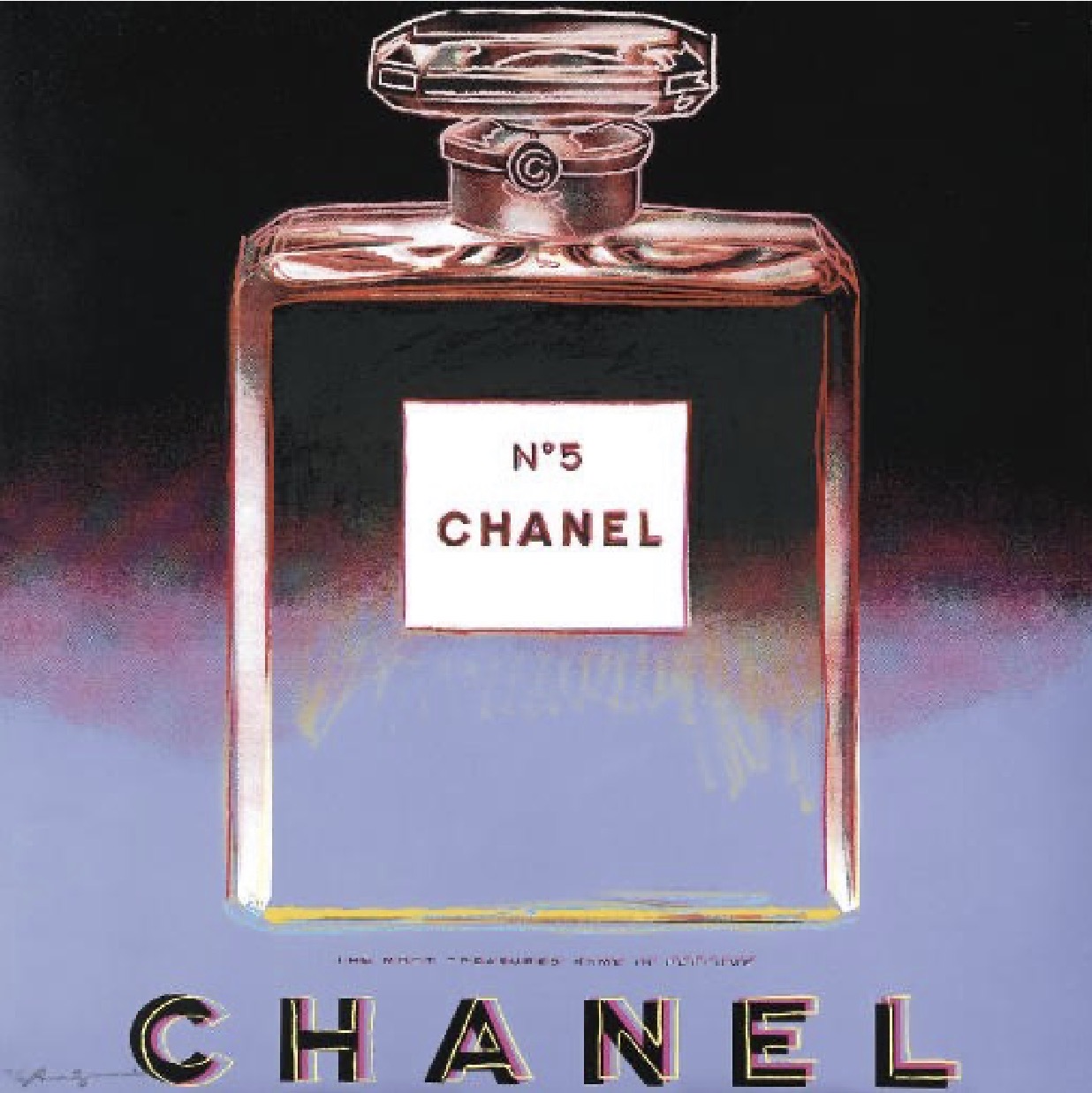
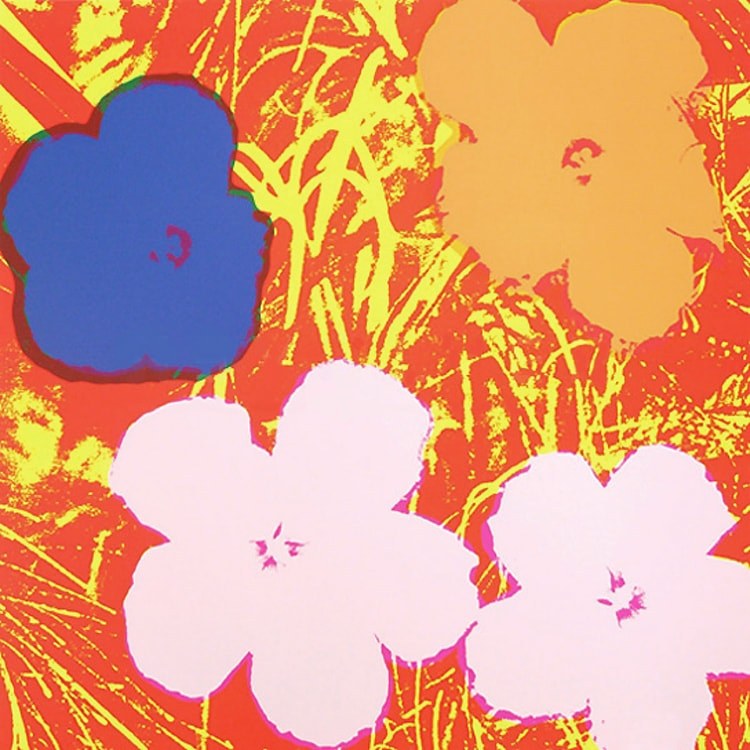
Soups pair naturally with other Warhol categories: a Marilyn for celebrity, Flowers for color, or Ads for 1980s brand culture. A soup-only wall is equally valid if you love the serial supermarket concept.
Condition: reds, golds, and paper
Soup cans expose tired color quickly. Reds should still feel commercial-bright unless the price clearly reflects fading. Gold seals and label typography need crispness. Paper tone, foxing, and margin handling move values. Ask for close crops of the can body, seal, and sheet edges. Prior framing can leave uneven fading; request history when known.
Restoration is not automatically disqualifying, but it must be disclosed. ShopPop Art’s inquiry process exists so you can see condition before you buy — email sales@shoppopart.com with the artwork URL.
Pricing and under-market intent
Soup plates trade in a deep public market, which makes comparison shopping realistic. We aim to come in under typical retail and auction asks so collectors are not paying gallery-overhead premiums for the same catalogue identity. Use independent archives to verify our positioning; we welcome that scrutiny.
Authenticity habits that apply beyond soups
The habits you build on Soup I/II transfer to Marilyn, Ads, and Endangered Species: catalogue first, edition size next, condition images always, provenance claims only when evidenced. Read our broader Warhol buying guide and browse the Warhol artist page for live inventory across motifs.
Independent certificates can be commissioned on qualifying purchases — see Certification for an example dossier format (impression numbers obscured on public previews).
A collector’s shortlist method
Pick one Soup I and one Soup II flavor if you want chronological spread. Or pick two visually contrasting labels (for example a bean variety beside a vegetable variety) for graphic punch. Confirm both are available, request files the same day, and decide within a defined window so you are not chasing sold stickers. ShopPop Art’s 7-day return policy (subject to Terms) adds a safety net after delivery.
Soups in a mixed Warhol wall
Many collectors hang a single Soup beside Marilyn or Flowers to show Warhol’s range from celebrity to consumer packaging to decorative Pop. Others build a flavor row — two or three cans with contrasting label colors. Either approach works if condition and catalogue identity are solid. Use our Warhol buying guide for authenticity checkpoints that apply beyond soups, and keep the Warhol artist page open while you compare live asks.