
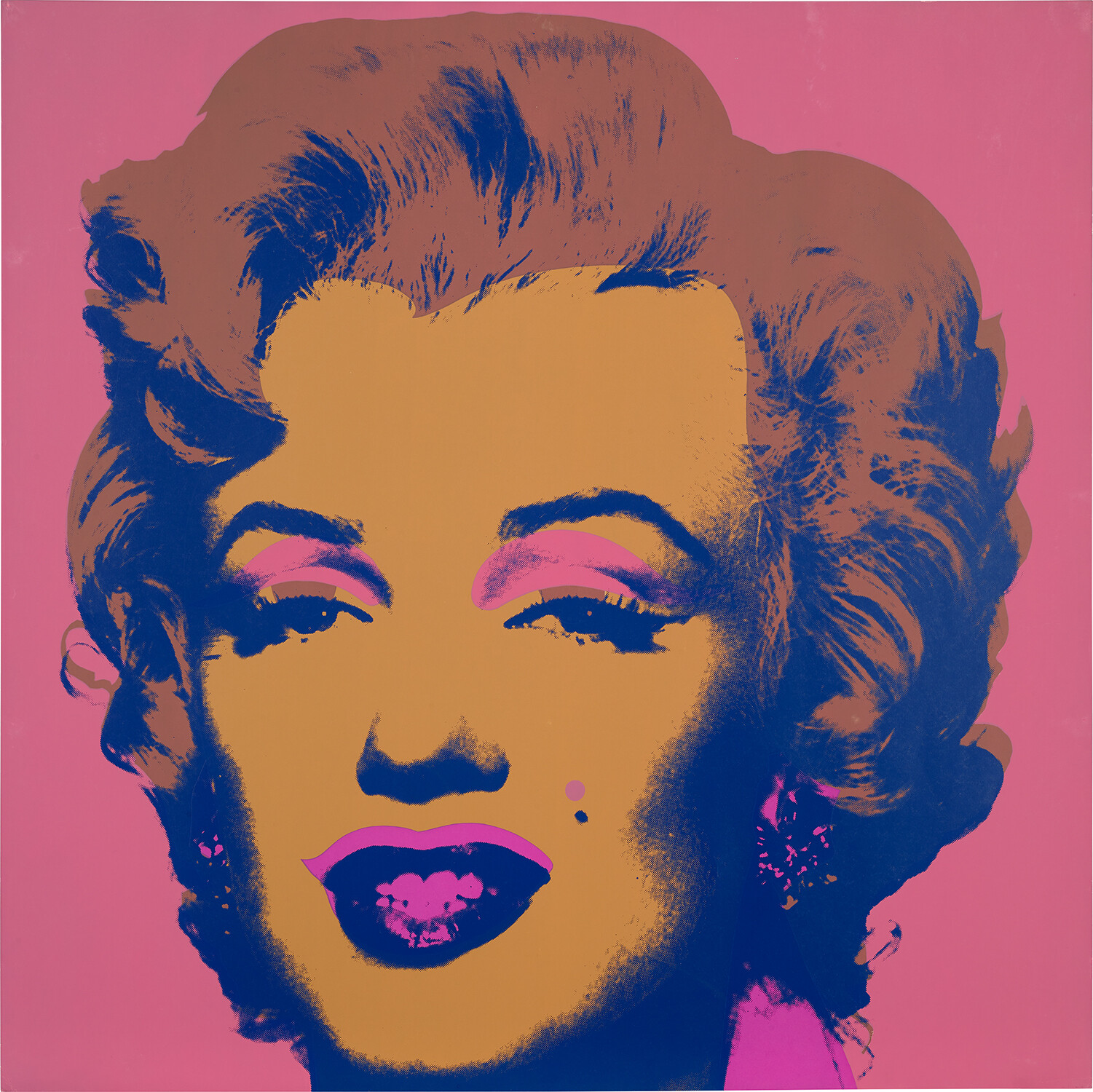
 Sold
Artist
Andy Warhol
Andy Warhol reshaped how collectors think about art, celebrity, and the editioned image. From the Factory years through the late Ads and Endangered Species portfolios, his screenprints remain among the most closely watched works in the modern print market — and among the most rewarding when you know how to read edition, catalogue, and condition.
Warhol’s practice turned commercial techniques into fine art. Screenprinting, photographic transfer, and serial repetition were not shortcuts; they were the point. A Marilyn, a Campbell’s Soup can, or a Flowers sheet is both an image and a system: color choices, paper support, publisher, and catalogue raisonné number all matter when you evaluate a piece for a collection.
What collectors look for in Warhol editions
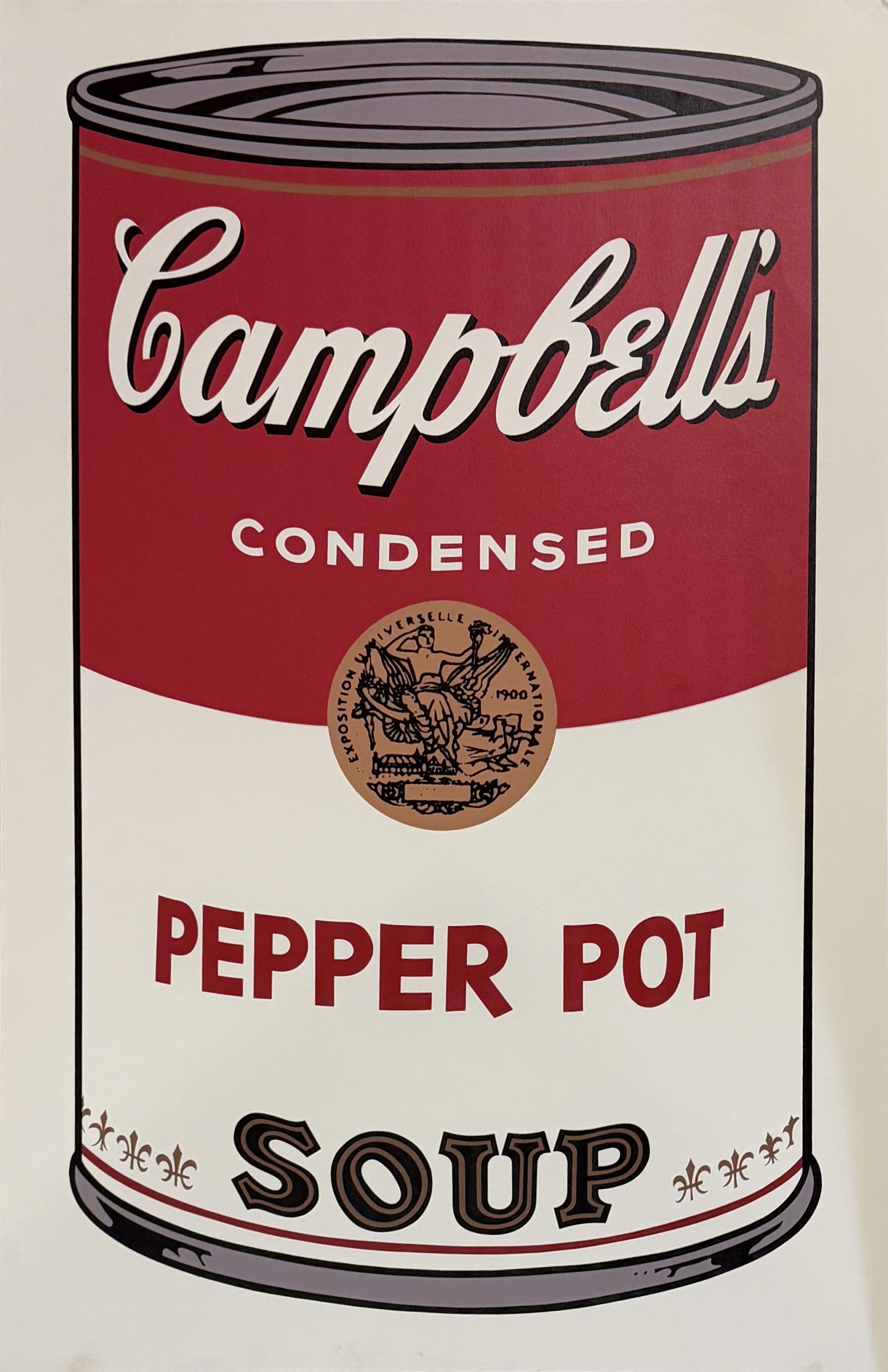
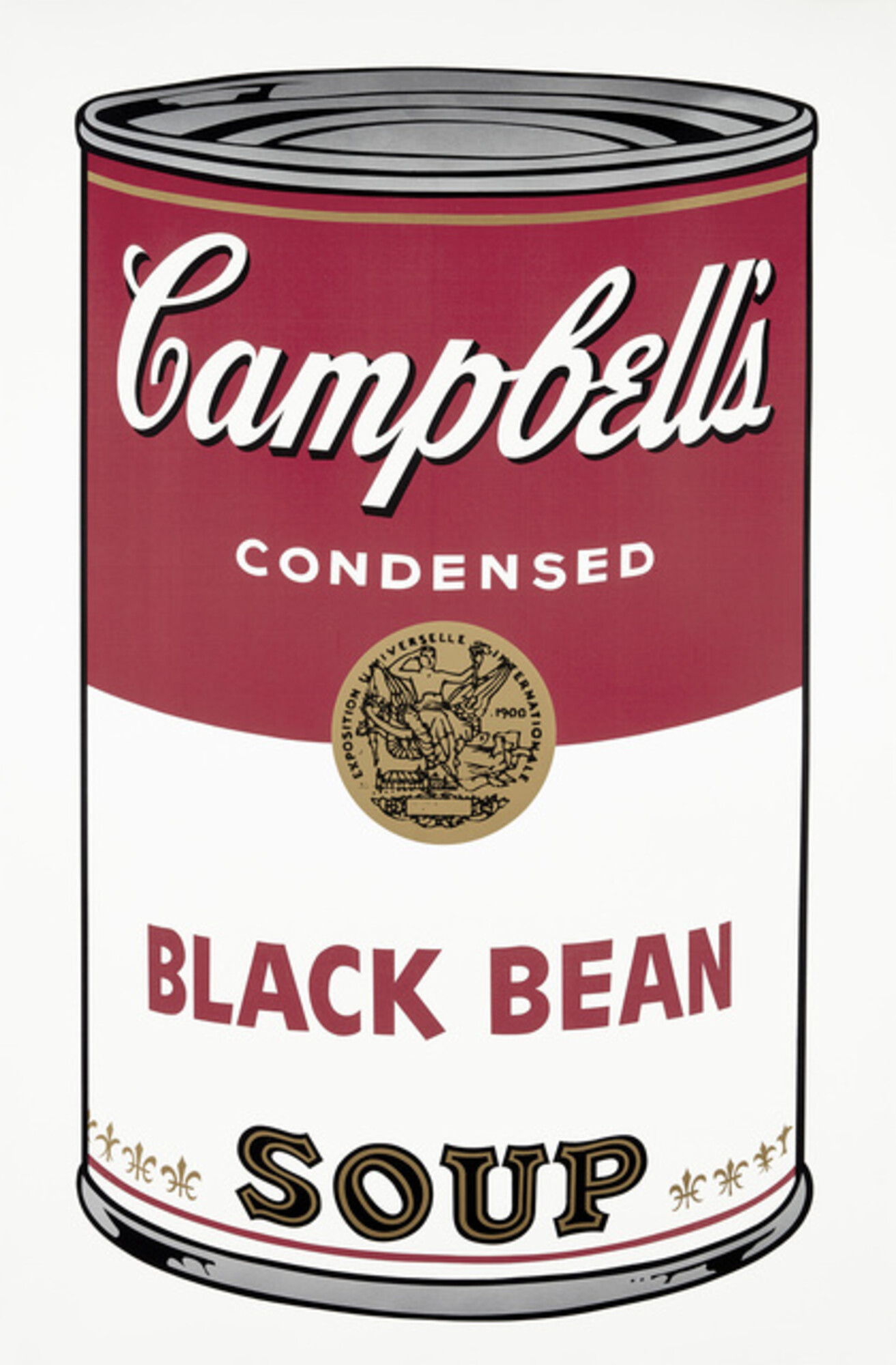
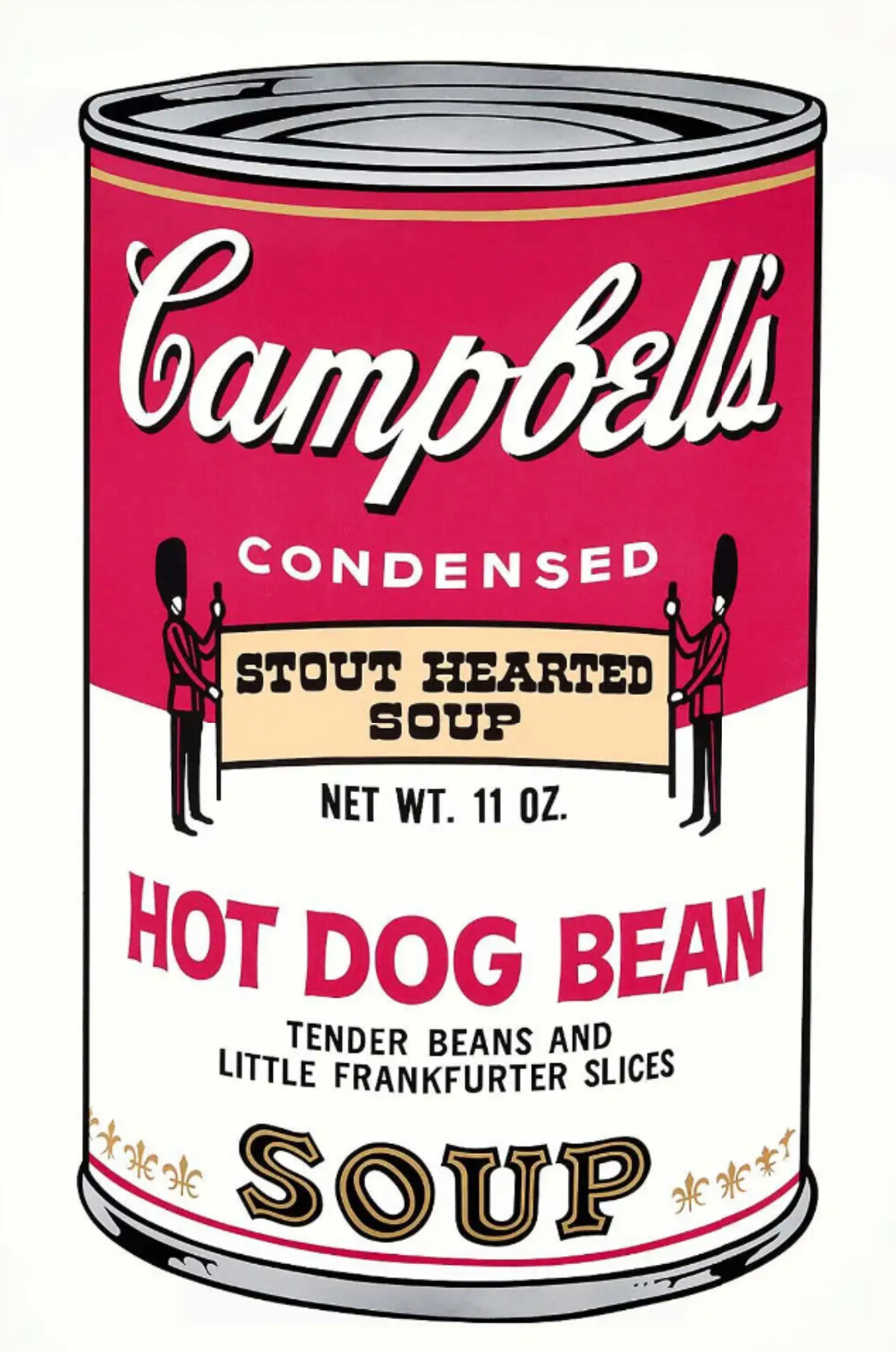
Most serious Warhol collecting still begins with the Feldman & Schellmann (F. & S.) catalogue raisonné for prints. Catalogue numbers such as F. & S. II.27 for Marilyn or the Campbell’s Soup I and II plates give a shared language for title, year, edition size, and publisher. Invitation cards, announcement cards, and unique color variants sit adjacent to the numbered portfolios and deserve the same documentation discipline.
Edition size is only one signal. Collectors also weigh paper type (for example Lenox Museum Board on many 1980s Ads), signature and numbering practice for that series, publisher history, and overall sheet condition — margins, colors, handling marks, and any restoration. Auction-comparable language should describe edition size and series context; specific impression numbers on public listing copy are often withheld or blurred on photographs for privacy and security.
Signature motifs across decades
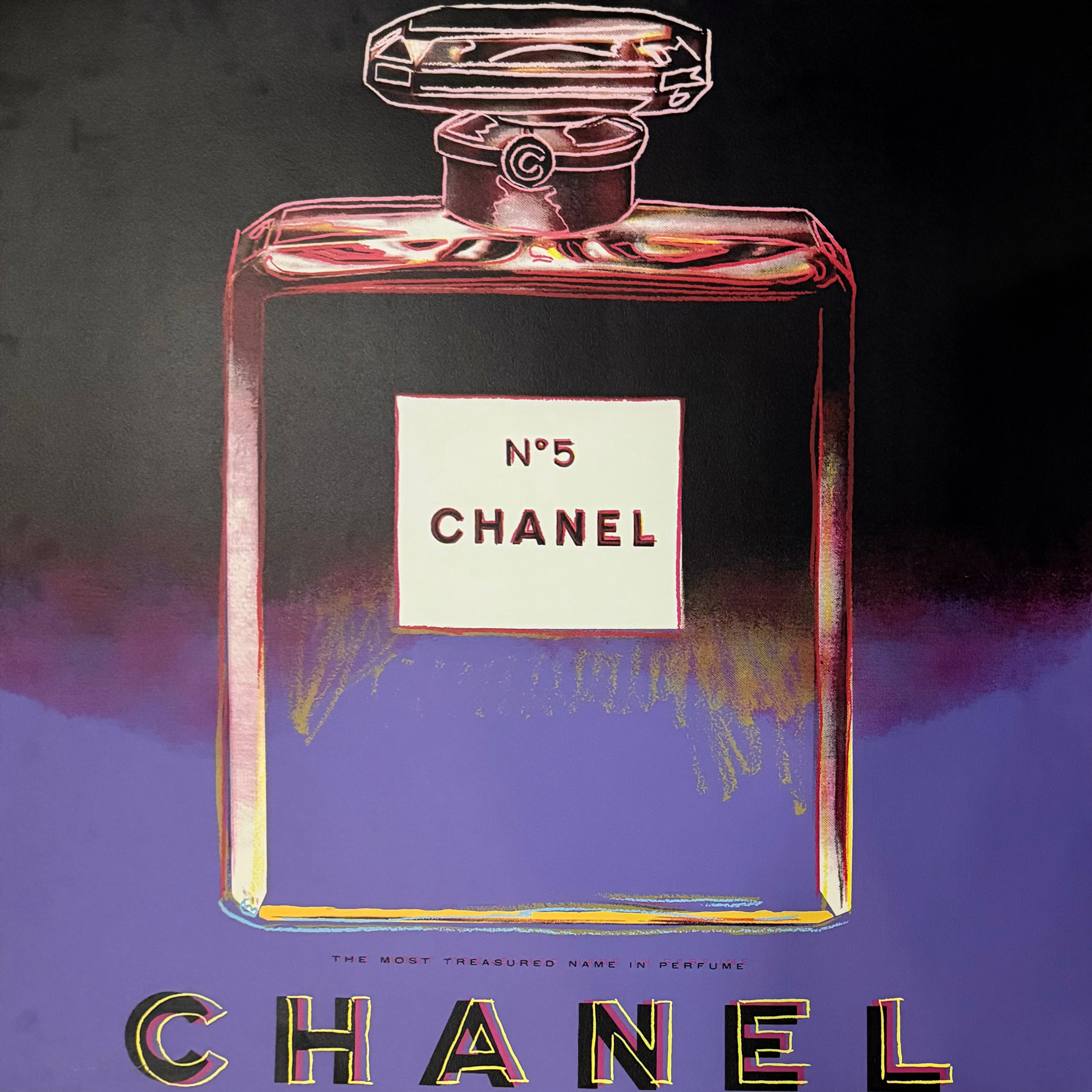
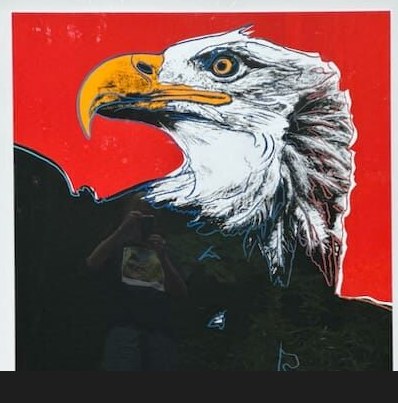
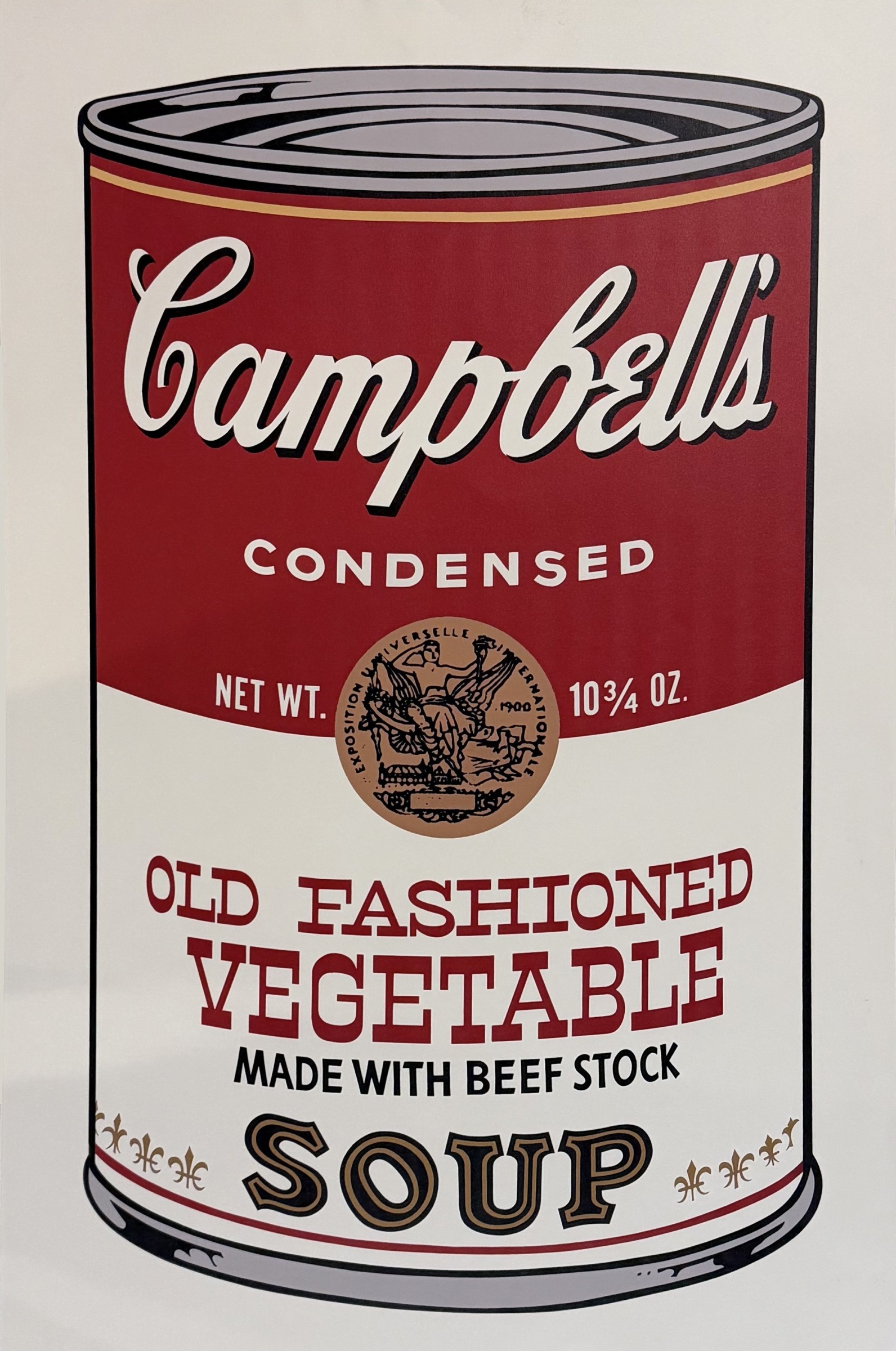
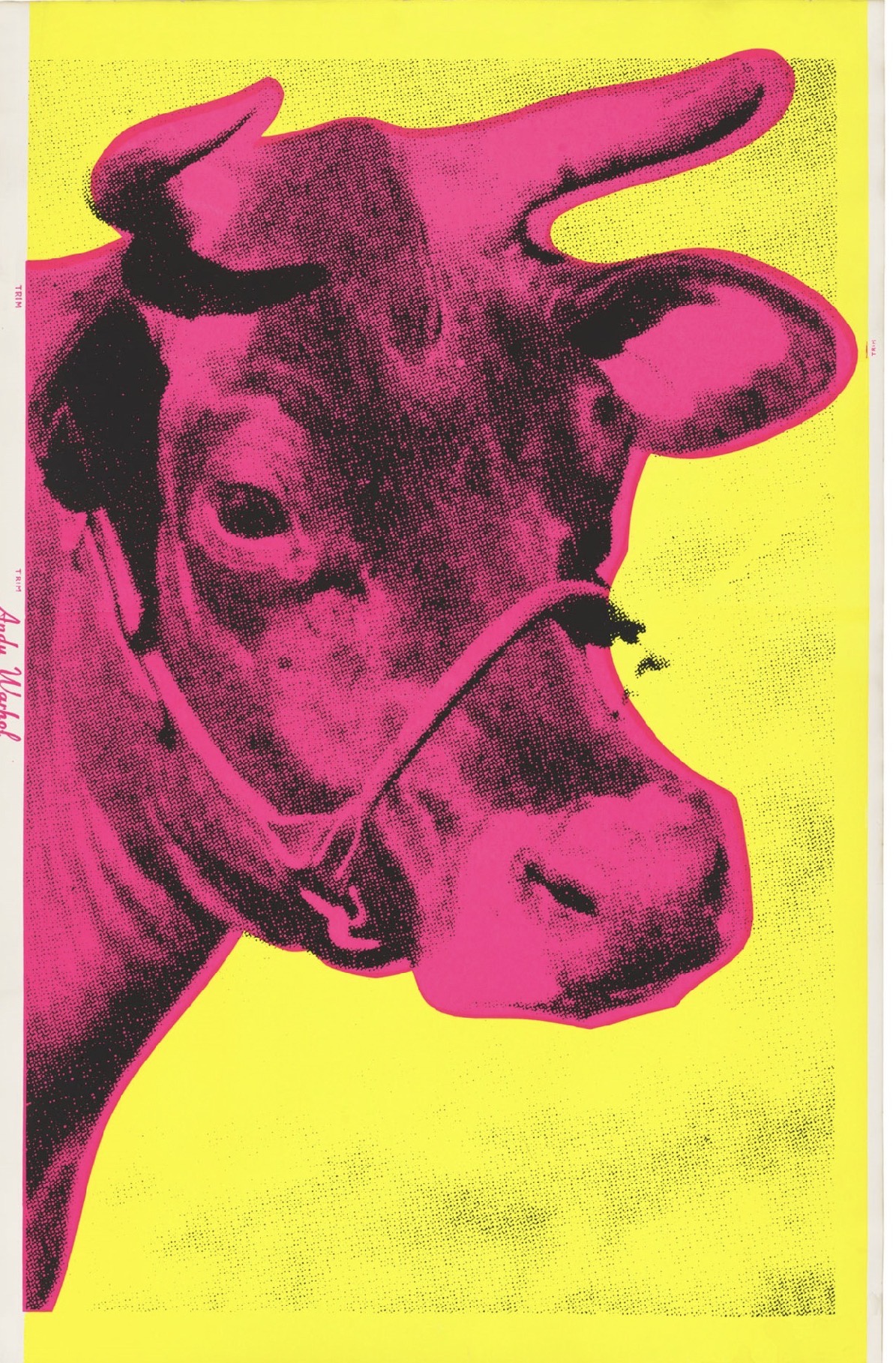
Marilyn Monroe’s 1967 screenprints remain the most recognizable Warhol images for many buyers — saturated color fields, cropped glamour photography, and the tension between fame and serial production. Campbell’s Soup cans from the late 1960s continue to anchor Pop collecting, while Flowers (1970) and Cow wallpaper works show Warhol’s gift for making decorative pattern feel urgent. Later series such as Ads (Chanel, Blackglama) and Endangered Species (including the Bald Eagle) extend the brand-and-icon vocabulary into the 1980s with large, museum-board screenprints.
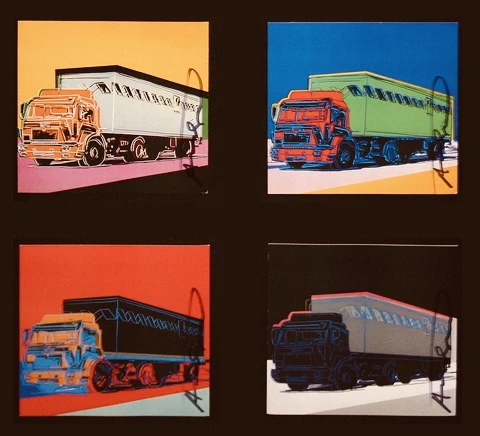
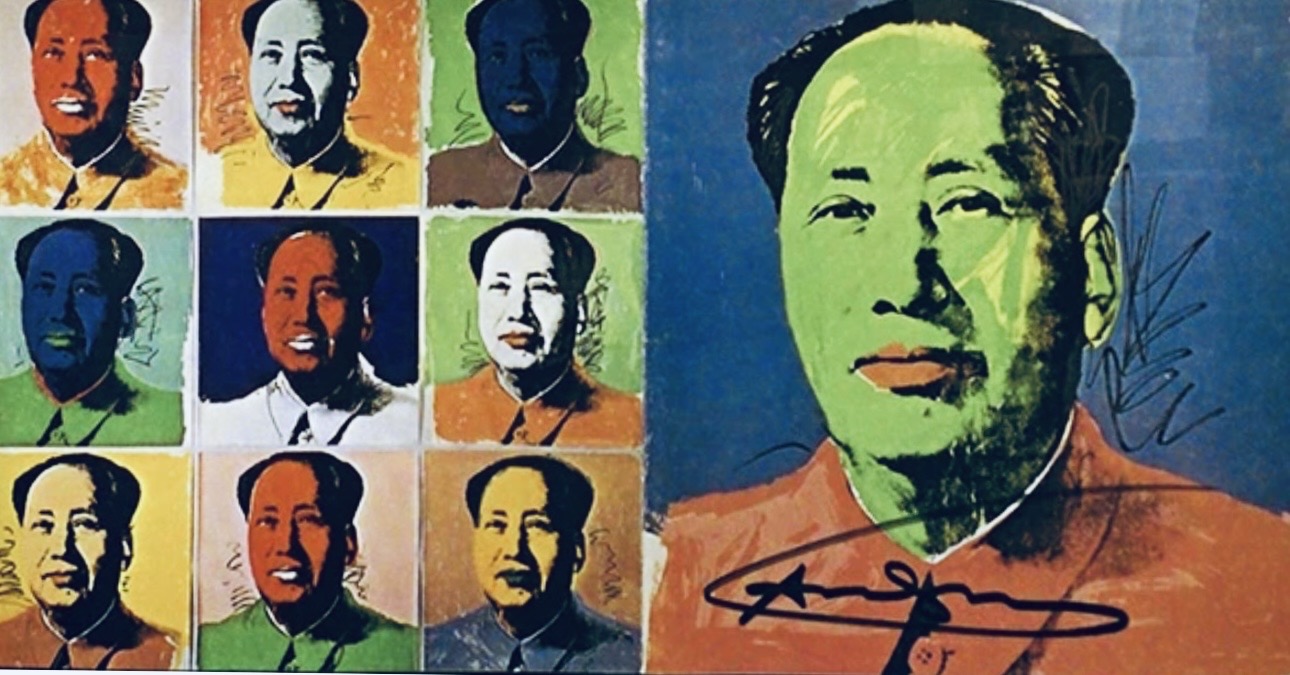
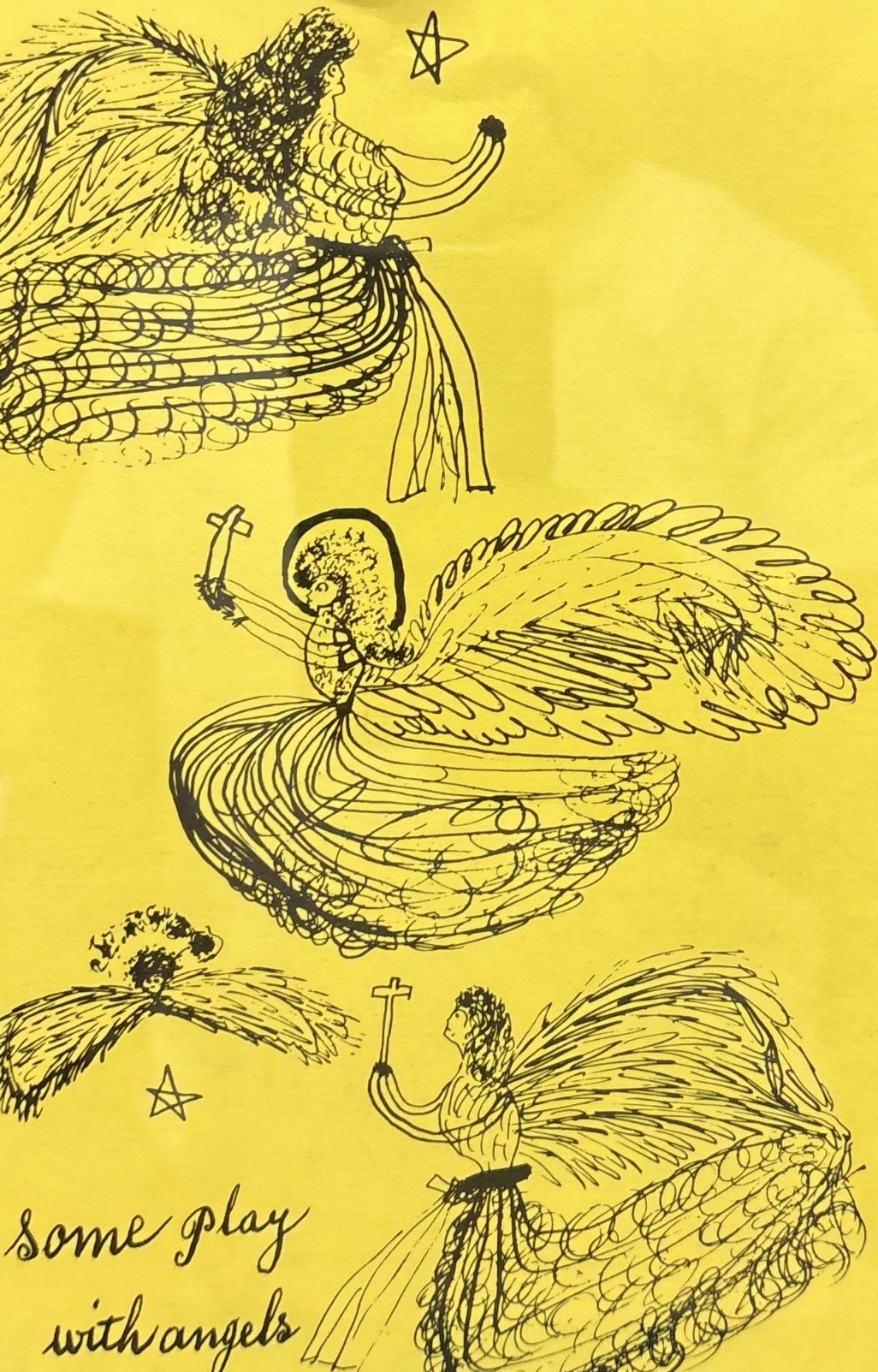
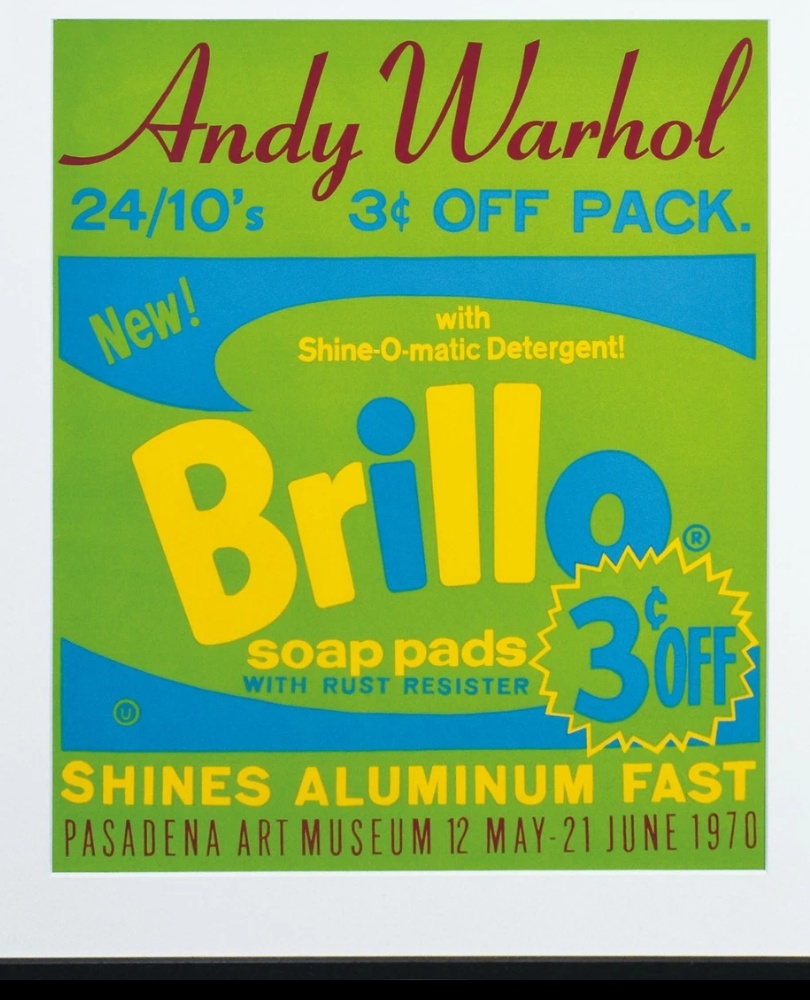
Alongside major portfolio plates, Factory-era ephemera and signed invitation cards offer a more accessible entry point. Hand-signed announcement cards for Trucks or Mao-related projects can sit beside larger works, documenting the social and promotional life of the Factory without competing for the same wall scale.
How ShopPop Art sources authenticated Warhol works
ShopPop Art focuses on original modern and contemporary editions with transparent catalogue references, medium notes, and pricing intended to sit under typical retail and auction asks. For Warhol, that means prioritizing works that can be described against established print literature, photographed clearly, and supported with independent certificates where appropriate.
When you inquire about a Warhol on our site, we share additional photographs and documentation pathways — including independent dossiers when commissioned. We do not invent provenance stories. We state what the piece is: year, medium, approximate size, edition size when known, and catalogue reference when it applies. Our goal is for you to compare our ask against public market context and decide with confidence.
Building a Warhol-focused collection
Collectors often start with a single iconic plate — a Marilyn, a Soup, or a Flowers — then expand into Ads, animals, or signed cards as budget and wall space allow. Others assemble thematically: celebrity, consumer packaging, or 1980s brand imagery. Either path benefits from consistency in documentation and a sober view of condition relative to price.
Browse our current Warhol inventory for available screenprints and cards, then read our guide on buying Warhol editions for authenticity checkpoints. For soup-can specialists, our Campbell’s Soup collecting guide walks through Soup I and Soup II plates we have offered. Questions about any listing go to sales@shoppopart.com.

Learn
Guides related to Andy Warhol
Collecting guideHow to Buy Andy Warhol EditionsA practical guide to authenticating and buying Warhol screenprints and cards — catalogue numbers, condition, and what to ask a gallery.Motif guideCollecting Warhol’s Campbell’s Soup EditionsSoup I and Soup II plates, flavor titles, condition tips, and how to buy Campbell’s Soup screenprints with catalogue discipline.FundamentalsEdition and Condition Basics for Print CollectorsEdition size, impression numbers, paper and board condition, and how to inquire about modern prints without guesswork.